 Skip to content
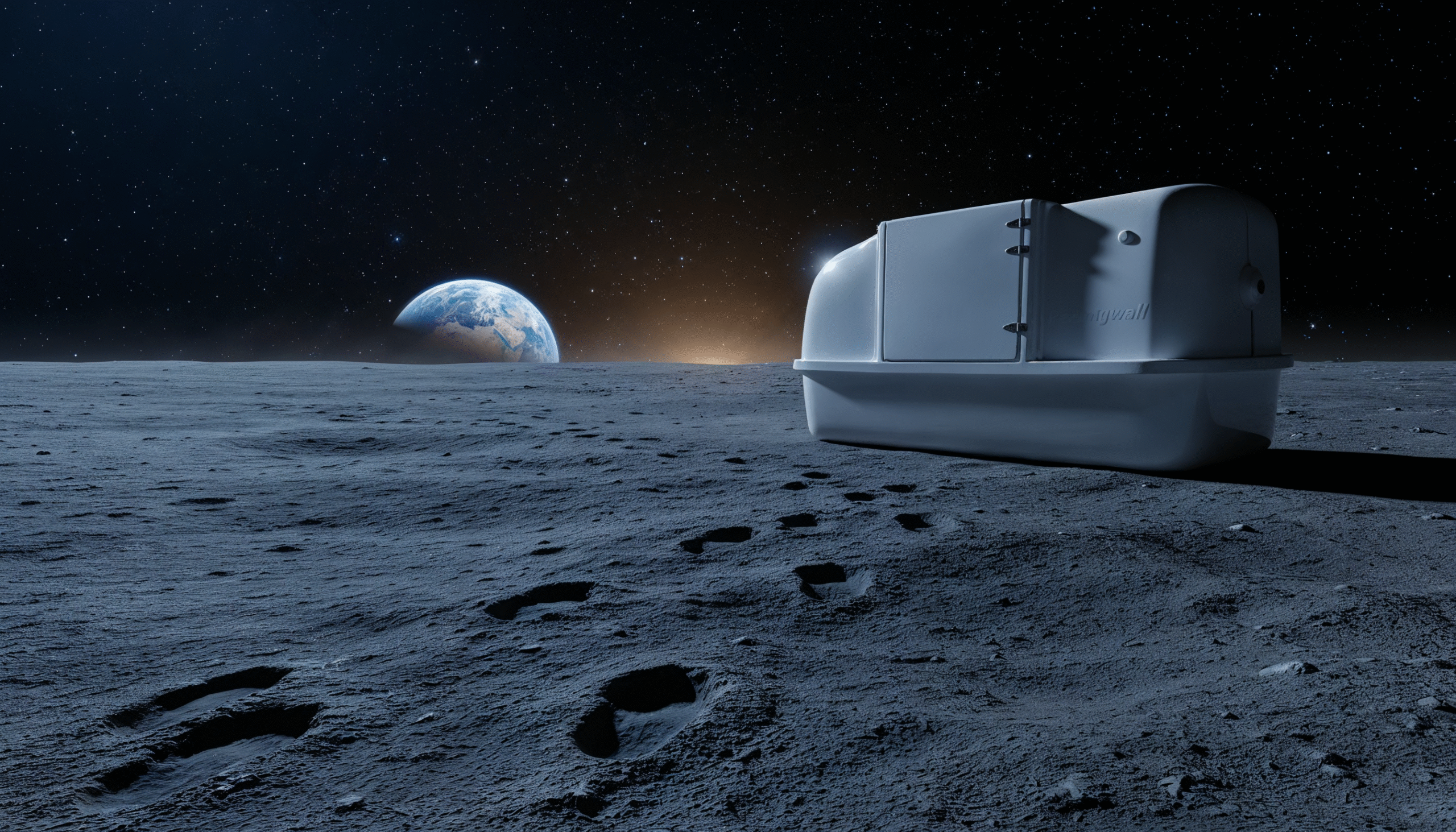
How NASA sensory reduction & weightlessness inspired flotation REST – from astronaut training to stress relief & recovery today.
How NASA-inspired sensory reduction and weightlessness led to today’s float tanks for stress relief and recovery.
Long before flotation tanks became popular in wellness centers and clinics, similar principles were explored in space research.
For decades, NASA and other space agencies studied sensory-reduced environments to simulate weightlessness and help astronauts cope with isolation, disorientation and high-stress conditions.
Although flotation REST was not invented for space travel, the core mechanisms are strikingly similar: minimal sensory input, near-weightless floating, and deep regulation of the nervous system.
Today, the principles are used in flotation tanks to support stress reduction, recovery, and mental balance.
How Space Research Shaped Flotation Therapy
In the 1950s–1960s, scientists like Dr. John C. Lilly pioneered sensory isolation experiments to understand how reduced external stimuli affect the human mind. Lilly’s early work with isolation tanks laid the foundation for modern flotation REST.
NASA later used similar concepts to train astronauts:
- Sensory deprivation helped maintain calm focus
- Simulated weightlessness prepared them for zero gravity
- Deep relaxation techniques improved performance under extreme pressure
These same principles are now used in float tanks on Earth.
Microgravity, Sensory Reduction, and Deep Relaxation
In a flotation tank, the body floats effortlessly in warm water saturated with Epsom salt. This creates a microgravity-like effect where pressure on muscles, joints and spine disappears completely.
As a result:
- the body relaxes deeply
- muscle tension is reduced
- the nervous system shifts from stress to full recovery mode
Neuroscience shows this state increases alpha and theta brainwave activity – similar to deep meditation and the calm alertness astronauts train for.
From Experimental Research to Clinical Use
Early sensory isolation research in the 1950s and 1960s, led by Dr. John C. Lilly, laid the foundation for modern sensory isolation research – flotation REST.
Today, these principles are applied in:
- Clinical psychology and mental health programs
- Sports recovery and performance optimization
- Stress, burnout and chronic pain treatment
What once supported astronauts now helps people on Earth recover faster and feel better.