 Skip to content
Discover the Science Behind Flotation-REST Benefits
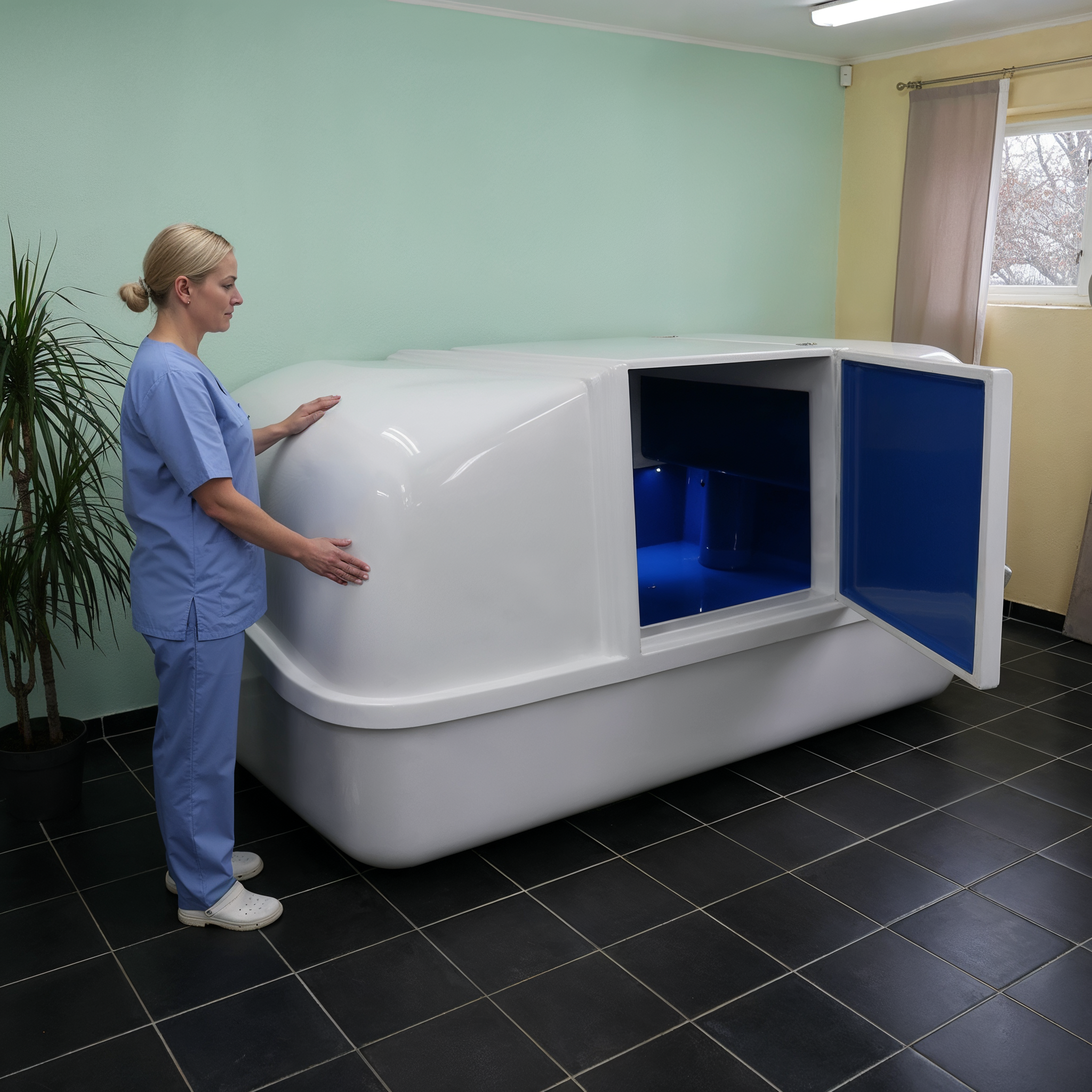
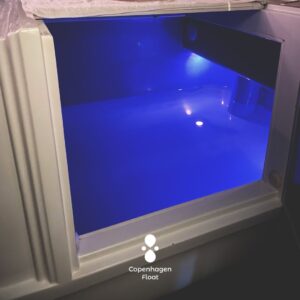
Have you ever wished you could just turn off the noise in your head? Flotation REST (Restricted Environmental Stimulation Therapy) is designed exactly for that. You float effortlessly in warm, Epsom salt-saturated water inside a quiet, dark tank — almost weightless, like in space.
No experience needed. Just float and relax.
Why Floating Feels So Relaxing
The water matches your skin temperature, and complete silence/darkness removes distractions.
All pressure points vanish due to perfect buoyancy in the water — no gravity pressing on your body. This signals the brain it’s completely safe to shut down “alert mode”, switch to deep rest-and-repair (parasympathetic dominance), and let the nervous system slow down and recover naturally.
People often describe it as:
- physically relieving
- deeply calming
- mentally refreshing

How Flotation Helps Stress and Anxiety
Studies show that floating significantly lowers cortisol — the body’s primary stress hormone — while promoting balance in the nervous system. This makes Flotation REST especially helpful for:
- Burnout and overwhelm
- Daily stress
- Anxiety

Sleep, Focus, and Mental Clarity
Floating slows brain activity and increases alpha and theta brainwaves — states linked to:
- Faster sleep onset and deeper sleep quality
- Enhanced creativity
- Improved focus and mental clarity
Many report falling asleep more easily and waking up more refreshed after regular sessions.
Pain Relief and Muscle Recovery
Because you float without any pressure on joints or muscles:
- Tension releases completely
- Muscles relax deeply
- Inflammation decreases
This makes Flotation REST popular among athletes for faster recovery and among people with chronic pain for natural relief.
Flotation-REST explained:
The Simple Science Behind It
Flotation REST works by removing almost all sensory input (light, sound, gravity pressure, touch). This triggers a powerful relaxation response in the brain and body — a state that’s difficult to achieve in everyday life. The high magnesium content from Epsom salt may also support muscle and nerve function through skin absorption.
Real Benefits Backed by Research
According to a scientific review published in the European Journal of Integrative Medicine by Anette Kjellgren and colleagues, flotation-REST has been found to improve sleep quality in both people who have normal sleep patterns and those with sleep problems like insomnia. In several studies, people who floated reported falling asleep faster, sleeping longer, and waking up feeling more refreshed. Some studies even showed that the benefits lasted for months after the flotation sessions ended.
People who float regularly often describe the experience as deeply calming, saying that it helps them let go of stress and racing thoughts—two of the biggest enemies of good sleep. Scientists believe that the quiet environment and weightless feeling help reduce stress hormones in the body, allowing the nervous system to shift into a relaxed state. This deep relaxation may make it easier for people to drift into restful sleep at night.
How Does Floating Help Sleep?
Researchers think flotation-REST helps sleep in several ways:
- It reduces stress and tension. Floating has been shown to lower levels of cortisol, a hormone that rises when we’re stressed. When cortisol goes down, the body and mind relax, making it easier to sleep peacefully.
- It teaches the brain to slow down. Many people with insomnia have a “busy mind” that won’t stop at night. In the float tank, with no phone, light, or noise, the brain naturally slows down and enters a meditative, almost dreamlike state.
- It helps manage emotions. People who struggle with worry, anxiety, or sadness often find floating helps them process emotions in a calmer way. This emotional balance can carry over into better sleep patterns.
- It mimics the feeling of drifting off to sleep. During floating, people often experience something similar to the “half-asleep” feeling you get right before you drift off. This state can train the body to recognize and enter sleep more easily later on.
Why Flotation matters
Sleep is one of the most important things our bodies do. It’s how we grow, repair, and think clearly. But in today’s fast-paced, always-connected world, many people find it hard to switch off at night. While sleeping pills or therapy can help, flotation-REST offers a natural and simple alternative. You don’t need to learn anything or practice a new skill—just float.
Flotation-REST could be especially useful for people who have trouble relaxing or sticking to routines like meditation or yoga. In fact, researchers suggest it might work as a complementary therapy—something that can be used alongside traditional treatments for sleep problems, stress, or anxiety.
The Future of Floating
Although the results are promising, scientists say we still need more research to understand exactly how and why flotation helps sleep. Most of the studies so far have been small, and not all used official sleep tests. But the evidence so far is encouraging, floating appears to be a safe, drug-free, and effective way to help people rest better and feel calmer.
Imagine being able to float away your stress and finally get the deep sleep you deserve. That’s what flotation-REST offers: a chance to shut out the world for a while and let your body and mind completely relax.
For many, it’s not just about floating; it’s about finding peace, calm, and better sleep in an overstimulated world.
Article Stefan Gerleman 2025-10-24
European Journal of Integrative Medicine 33 (2020) 101047