Skip to content
Experience Deep Relaxation and Lasting Wellness
Stress and anxiety are two of the most searched-for topics related to flotation therapy — and for good reason. Scientific evidence continues to grow showing that flotation-REST (Restricted Environmental Stimulation Therapy) can significantly reduce stress and anxiety by affecting both physiological and neurological systems.
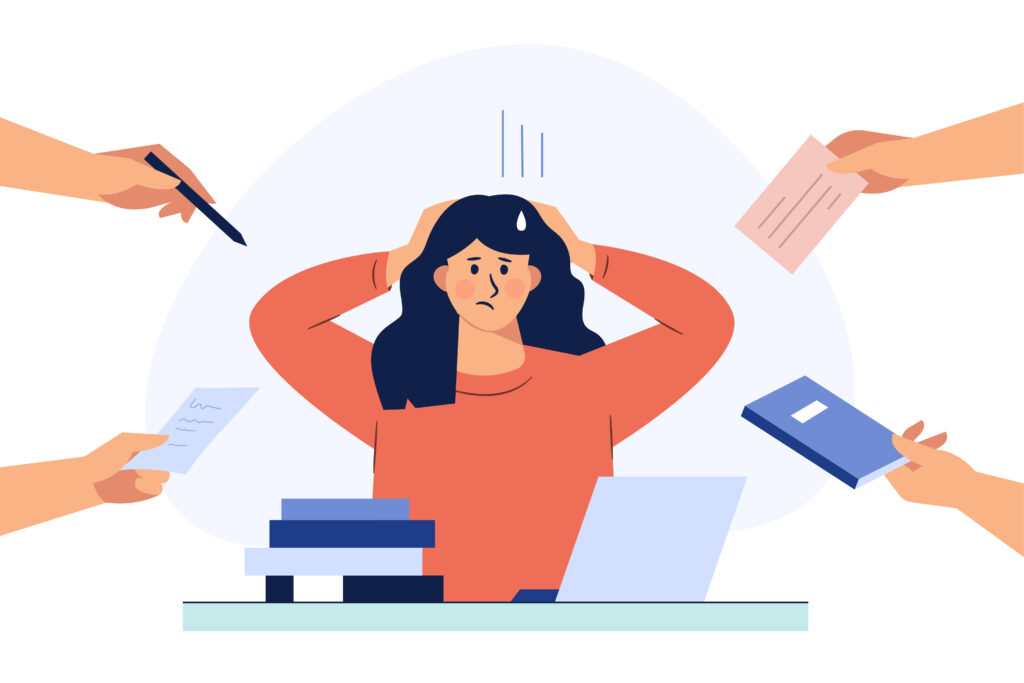
How Flotation Therapy helps reduce stress
Chronic stress triggers the release of cortisol (the body’s primary stress hormone). Which will cause high cortisol that can over long periods lead to anxiety, fatigue, and impaired recovery.
Research consistently shows that floating can lower cortisol levels — often rapidly after even a single session.
Sessions as short as 60–90 minutes have been shown to reduce cortisol levels significantly, contributing to a calmer physiological state.
Brainwave activity and deep relaxation
One reason flotation therapy feels so calming is the effect on brainwave activity.
In deep relaxation states (like meditation) — the brain produces more theta waves, associated with:
- deep rest
- emotional balance
- creativity
- reduced worry
Scientists believe that sensory-reduced environments like float tanks facilitate this shift toward theta dominance, helping the nervous system exit fight-or-flight mode and enter rest-and-digest mode.

Research Evidence from 2025
Systematic Review – BMC Complementary Medicine and Therapies
A comprehensive systematic review published on July 3, 2025, in BMC Complementary Medicine and Therapies (Lashgari et al.) analyzed 63 studies involving approximately 1,800 participants. It confirms that flotation-REST (Restricted Environmental Stimulation Therapy), commonly known as flotation tank therapy, provides consistent positive effects in several key areas:
- Reducing clinical anxiety
- Alleviating stress
- Enhancing mental well-being
- Supporting pain management
- Improving athletic performance
These benefits were observed across both clinical and non-clinical populations. However, the review found limited or no significant effects on sleep disorders or smoking cessation.
Overall, flotation-REST stands out as one of the most evidence-based non-pharmacological interventions for anxiety relief, stress reduction, and overall mental and physical well-being.
Nervous System Effects
In individuals experiencing stress and anxiety, flotation therapy induces measurable physiological changes that promote autonomic nervous system balance:
- Decreased heart rate
- Reduced blood pressure (systolic and diastolic)
- Increased parasympathetic activity (“rest-and-digest” mode)
- Decreased sympathetic activation (reduced “fight-or-flight” response)
- Improved heart rate variability (HRV), indicating deeper relaxation
These shifts often occur rapidly—within the first 15 minutes of a session—and support the body’s transition out of chronic stress states. Multiple studies suggest flotation-REST may be more effective than many conventional relaxation techniques at shifting the nervous system toward parasympathetic dominance, facilitating profound physical and mental recovery of prolonged stress states more effectively than many other relaxation techniques, dominance, helping the nervous system exit fight-or-flight mode and enter rest-and-digest mode.